

Truths Behind the 4th of July Celebrations
This essay, inspired by the recent holiday, is part of The Mirror and the Window video series—a project where history, resistance, and imagination are brought into dialogue. It stands alongside the films as another way of telling the truth and demanding a better future.
Fireworks boom, flags wave, and America throws itself a birthday party. It is wrapped in pageantry, sold as unity, pride, and heritage. But beneath the noise and glitter, another truth roars: this celebration, this momentous day, comes with an asterisk. For Black Americans, July 4th is not just light in the sky—it is a reminder of shackles in the soil, of freedom declared while millions remained enslaved. That contradiction is no story of the past—it is a wound we carry, a scar torn open again and again.
Independence swings like a living pendulum—triumphant, threatened, defiled by the very hands that claim to honor it. This pendulum is not just metaphor. It shapes real lives. Real histories.

History lies beneath the noise
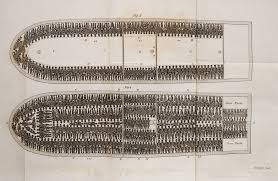
In 1776, while white colonists declared independence, my Black ancestors remained enslaved—property, not people. They were written out of the promise of liberty. And that betrayal didn’t stop with the Revolution; it thundered on through centuries of slavery, Jim Crow, redlining, and voter suppression. America’s birthday has always come with a bitter aftertaste for those of us denied a seat at the table.



And still we rise.
And still we claim our place.
And still, we endure—
unbroken, unbowed,
swinging with the pendulum,
shaping its weight,
making it ours.
Erasure and the Myth of Patriotism
To wave the flag without acknowledging that truth is to uphold a national myth. Patriotism stripped of honesty is not pride—it’s propaganda. This country loves to pretend its freedoms were a gift from the Founding Fathers alone. But let’s tell the truth: America was built on stolen land and stolen labor. Black hands built the cities. Black brilliance shaped its culture. Black struggle made democracy real.

And yet, the erasure continues. The sanitized version of the American dream upholds white supremacy. It ignores how that dream was made possible—by theft, violence, and exclusion. It celebrates freedom while ignoring who was never free.
Ayo Walker/Truthout; Adapted: Norman Rockwell
The dream is packaged as if it came clean and pure, not drenched in blood and exploitation. That erasure isn’t just insulting—it’s dangerous. Because if you erase the pain, you erase the power of resistance. You erase the truth that progress was never handed down; it was forced, dragged, demanded by those denied it.
The Central Role of Black Resistance
Black resistance is the blueprint of America’s best self. Every freedom movement that came after—women’s rights, LGBTQ rights, immigrant rights—borrowed the strategies and sacrifices of Black struggle. We’ve always been the canary in the coal mine, warning the nation of its rot while pointing toward its possibilities.
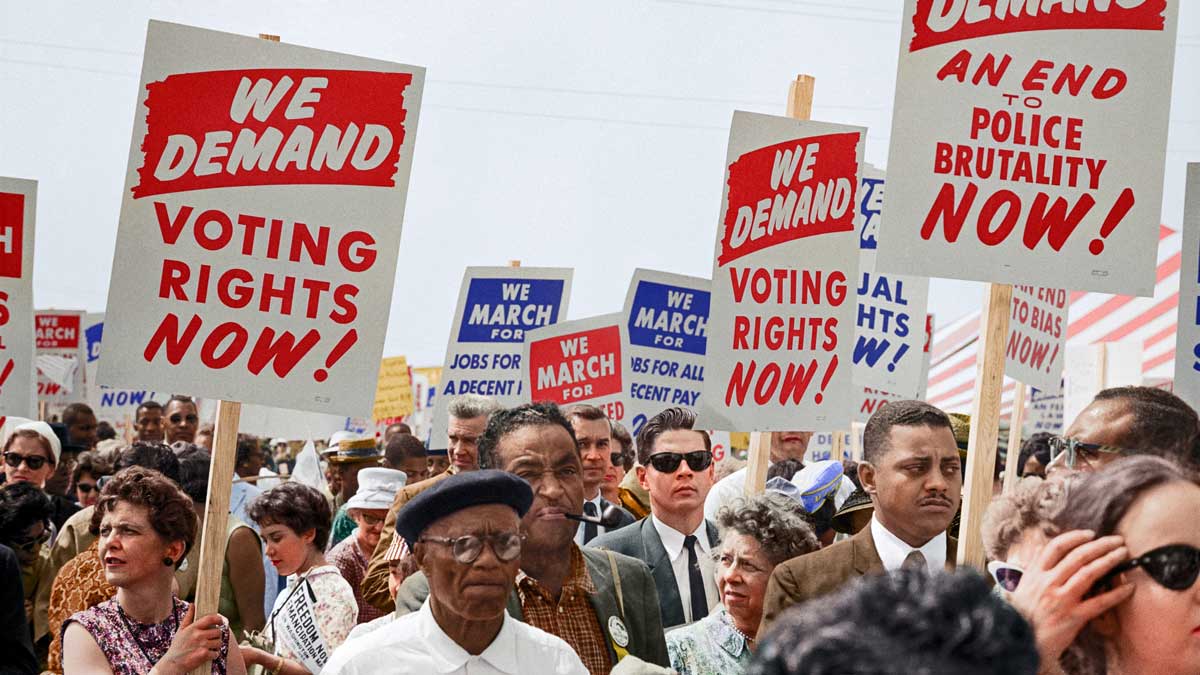

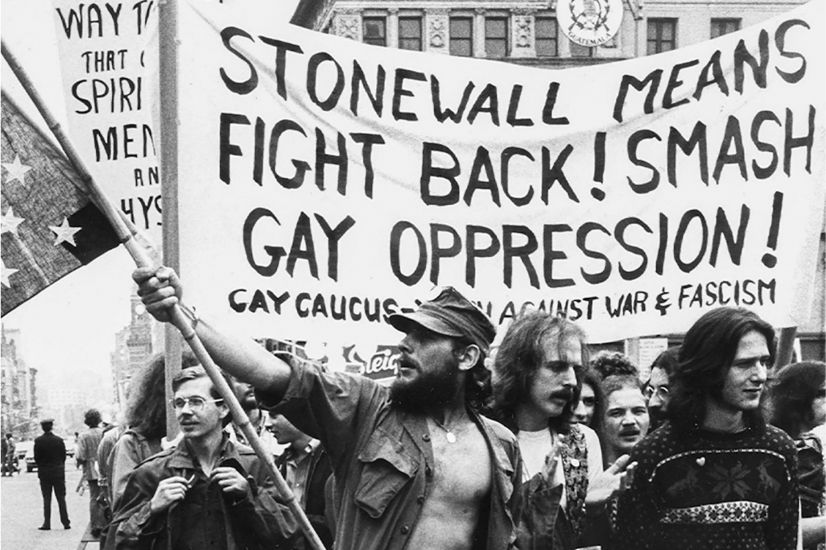
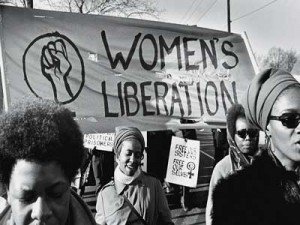
Martin Luther King Jr. told us that “injustice anywhere is a threat to justice everywhere.” That wasn’t poetry—it was a warning. And yet here we are again, told to wait, to be patient, to trust that the system will fix itself. King also warned us: “justice too long delayed is justice denied.”
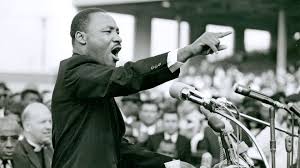
His words echo louder today as we watch marginalized communities targeted with renewed intensity. We are being asked, once again, to wait. To be patient. To accept incrementalism in the face of rising threats. We are done waiting.
Echoes of King, Baldwin, Lorde, and Tolle
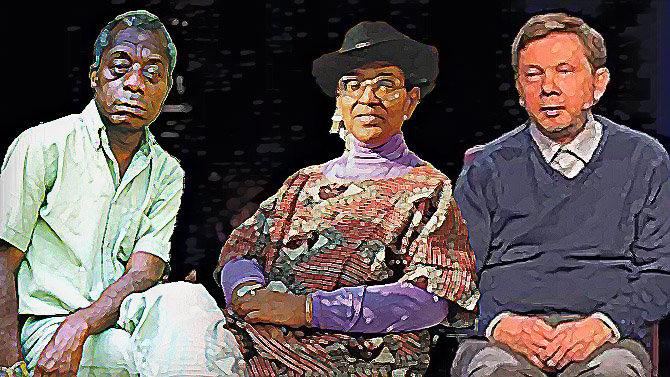
To be Black in America is to carry a weight that doesn’t lift. Eckhart Tolle calls it the pain-body—the inheritance of trauma passed down through generations. We know it in our bones. We live it in systems that gaslights daily.Yet within this awareness lies the possibility of transformation. This transformation is not just for the self. It also extends to the society that fears its own shadow.
James Baldwin, always unflinchingly honest, wrote, “To be a Negro in this country and to be relatively conscious is to be in a rage.” This rage is present almost all the time. That rage isn’t nihilism—it’s clarity. It’s fire that refuses to be smothered.
Audre Lorde, in her wisdom, insisted that “your silence will not protect you.” That truth reverberates now, as silence from our neighbors, colleagues, and leaders becomes complicity. The burden of naming injustice should not fall only on those most impacted by it.
The Present Threat
That legacy of struggle is alive today—but the attacks are no longer subtle. It is no longer a slow drip of erosion—it is a flood. They are bold, brazen, and unapologetic.

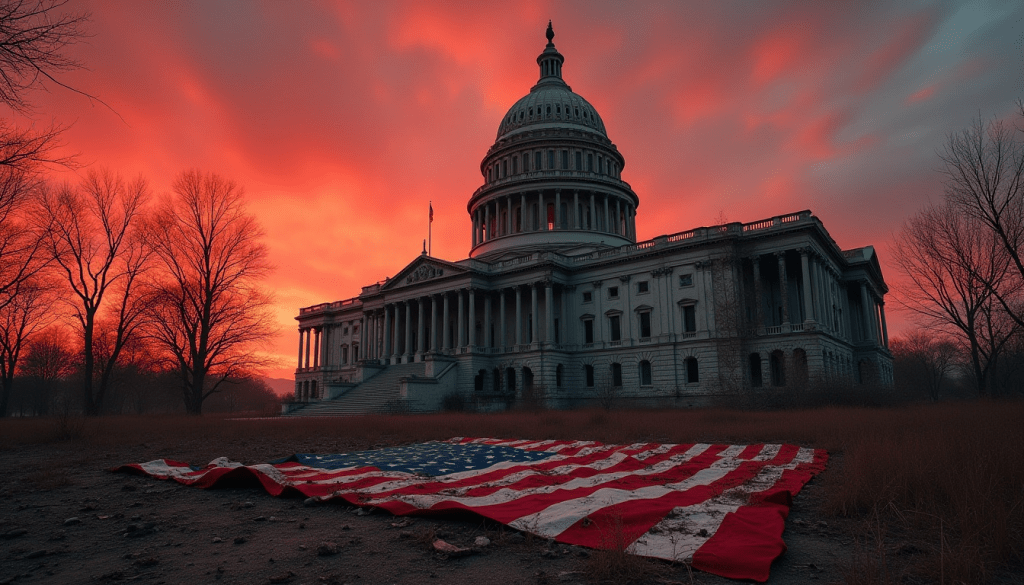
Congress just passed what they call “the big beautiful bill.” Let’s call it what it is: a weapon. It guts voting rights, feeds the wealthy, and silences the people most desperate to be heard. It is not policy—it is power, consolidated at our expense. It is an assault on democratic participation. It is a windfall for the wealthy. It is a declaration of intent: to consolidate power by any means necessary. And it is cheered on by those who fear true democracy because they cannot control it.
It is an assault on democratic participation. It is a windfall for the wealthy. It is a declaration of intent: to consolidate power by any means necessary.
Globally, authoritarianism is rising, and America is infected with the same disease. Racism, sexism, homophobia, xenophobia—they thrive in silence. Each one thriving in the cracks of silence, each one testing the resilience of our institutions. And right now, silence is winning.
This isn’t speculative. It’s happening. And it’s being cheered by those who benefit most from suppressing the voices of marginalized communities.
Can the moral arc of history still bend toward justice when so many hands are trying to snap it in two?
The Ethical Dilemma of Our Time
The question is blunt: Can we stop it? The health of this century—and the survival of democratic values—hinges on our answer. Or will we be remembered as the generation that watched democracy die while we barbecued and waved sparklers?
Too many of my former colleagues, neighbors, even friends, look away. Maybe it is ignorance. Maybe it is fear. Or maybe it is the comfort of silence valued above the cost of freedom. Whatever the reason, that turning away cuts as deep as open opposition—and it cannot be excused.
Roots, Resilience, and Love of Country
Don’t mistake my fury for hatred of America. I love this country—enough to fight for it. My roots don’t pass through Ellis Island. They go much deeper than that. They are buried deep in soil soaked with both blood and possibility.
I will not run. I will not be silent. I will not let this nation collapse into authoritarianism while pretending to represent freedom.
I don’t wave the flag blindly. I sit in the contradiction. I honor the resilience. And I demand answers:
Who are we? How much indecency will we tolerate? When will the so-called quiet majority rise—or is that too a myth?
A Call to Unflinching Patriotism
True patriotism is not a fireworks show. It’s not blind loyalty. It is the courage to stare at the ugliness and say: We will be better. And then fight—again and again—until America finally lives up to its promise.

Patriotism worth claiming doesn’t look away from injustice—it tears the mask off. It does not whisper politely for crumbs—it demands a feast of freedom at the table we built.
It does not defer to the comfort of the privileged—it insists on truth, even when that truth burns.
This is the fight of our lives. And it is not optional. If we shrink back, if we stay silent, if we cling to myths instead of reality, then the Fourth of July is nothing but smoke and lies. But if we rise, if we refuse to be erased, if we love this country enough to wrestle it into its own ideals, then we are not just keeping faith with the past—we are claiming the future.
So let the fireworks crack the sky. Let the fury crack our silence. And let this nation know: We are still here. We are unbroken. And we are not done fighting for America’s soul.
This essay is part of The Mirror and the Window video series—where history, resistance, and imagination confront the present threat and demand a better future. It is not just reflection; it is a call to action, a refusal to surrender, and an invitation to keep pushing the story forward.
 Moreel Pics+Words
Leave a comment