

How we remember legacies of harm, even in death.
Legacies of Violence and Memory
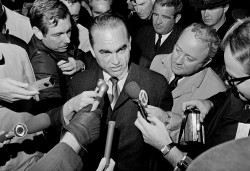
When Governor and presidential candidate George Wallace was shot in 1972, the nation was stunned. Wallace survived but was left permanently paralyzed. While most condemned the violence, some struggled
with their emotional response to the man who had once declared “segregation now, segregation tomorrow, segregation forever.” The incident became a symbol of how violence and legacy intertwine—how harm is remembered even in the face of tragedy.
In the wake of Charlie Kirk’s killing, we see echoes of that same reflex: shock, grief, and a dangerous urge to soften the legacies of men whose words caused real harm.
The Profile We Refuse to Name
Wallace’s assailant, Arthur Bremer was a white 21-year-old busboy from Milwaukee who was motivated by a desire for fame, not political ideology. His diary indicated that he had initially planned to kill President Richard Nixon but decided on Wallace after finding it too difficult to get close to the president.
In Kirk’s alleged perpetrator we see another young white man taken into custody. A motive for the killing is yet to be revealed by officials.
Four men intertwined by fate and rage. The shooting, and Wallace’s career overall, are seen by some historians as highly influential. His populist message, which tapped into a sense of grievance and subtle racism, paved the way for later combative populists, like Donald Trump. Within hours of Kirk’s shooting, the most powerful Republicans in the country — from the president to Fox News hosts to mega billionaires — were agitating for authoritarian repression, and justifying it with incendiary lies.
Their initial punditry so desperately wanted to paint [and continue to do] that the assailant was a tool of the left. However, as more information is released, the truth reveals itself to counter their wish fulfillment. Both assailants share a similar profile – young, white, conservative males hell bent for violence as a solution and retribution for their own misery.

And usually when shooters are white, the narrative shifts to mental health or isolation. When they are not, they are quickly “othered”—animalized, villainized, and stripped of complexity.
The False Narrative of the “Extreme Left”
According to the Anti-Defamation League, right-wing extremists are responsible for the vast majority of extremist-related murders in the United States. In 2022, they committed every single extremist-related killing documented. White supremacists were responsible for 84% of them.

We’re told again and again that the greatest danger comes from the extreme left. But the numbers don’t support that claim. Violence from the left is rare, and when it occurs it most often targets property rather than people. The uncomfortable truth is this: the vast majority of extremist murders in America are carried out by the right.

That doesn’t mean the far left is blameless—there are toxic online corners that thrive on provocation and status games. But to twist this into the central threat is dishonest. It is a deliberate lie, crafted to stoke fear, exploit tragedy, and distract from where the true danger lies.
Death Does Not Erase Harm
Every life matters. Killing is tragic. But that truth cannot become the excuse for rewriting history. Wallace defended segregation. Kirk used his platform to demean Black people, immigrants, Muslims, queer and trans people, and women. His words were not harmless—they were weapons.

However, in death, some pastors and politicians elevate him as a martyr, even a saint. Rob McCoy, the pastor emeritus of Godspeak Calvary Chapel in California said, “We are in a spiritual battle. The same murderous spirit that raged against the prophets, that crucified Christ and that martyred Stephen is raging again in our day.”
In his words, Kirk is elevated, even anointed. But how do you reconcile this view with the totality of his words?
Jamal Bryant, the senior pastor of New Birth Missionary Baptist Church in Stonecrest, Georgia, said,
“Even in a tragic death, you cannot rewrite somebody’s life… I am all the more concerned about how America and the media is trying to remix a life of racism and white supremacy that went forth unchecked.”
Mourning must not erase harm. To do so is to dishonor the communities targeted by his rhetoric.
The Dangerous Power of Rhetoric
What would Kirk be a martyr to? To his supporters and those on the MAGA right, he died for free speech, for Judeo-Christian values, for a commitment to “Western civilization”, and supposedly for the “truth” itself.
Who is Charlie Kirk a martyr for? Clearly, the answer to this is Christian nationalists, MAGA supporters and the broader American right. He testified in life to their shared beliefs and values, and in death is their “patron saint”. The legacy of Kirk’s death will be to define who is part of this community, and who is excluded. The question then is, will a division framed in such polarizing terms come to define American society as a whole?
What leads one sect of people to follow his words with gospel while others view it as heresy? How do you reconcile the two? Charismatic he may have been, but his words don’t exist in isolation or without consequences.
What was in Kirk’s heart we may never know. But the words he chose mattered. He once said: “If I’m dealing with somebody in customer service who’s a moronic Black woman, I wonder is she there because of her excellence, or is she there because of affirmative action?”
That is not just condescension. It is an attack on Black women’s legitimacy, their labor, their worth. His followers feed on such stereotypes, deflecting accountability for their own struggles by blaming others. In their hands, his rhetoric became fuel. And in their hands, it becomes dangerous.
As writer Robert Jones, Jr. reminds us:
“We can disagree and still love each other—unless your disagreement is rooted in my oppression and denial of my humanity and right to exist.”
Holding Complexity
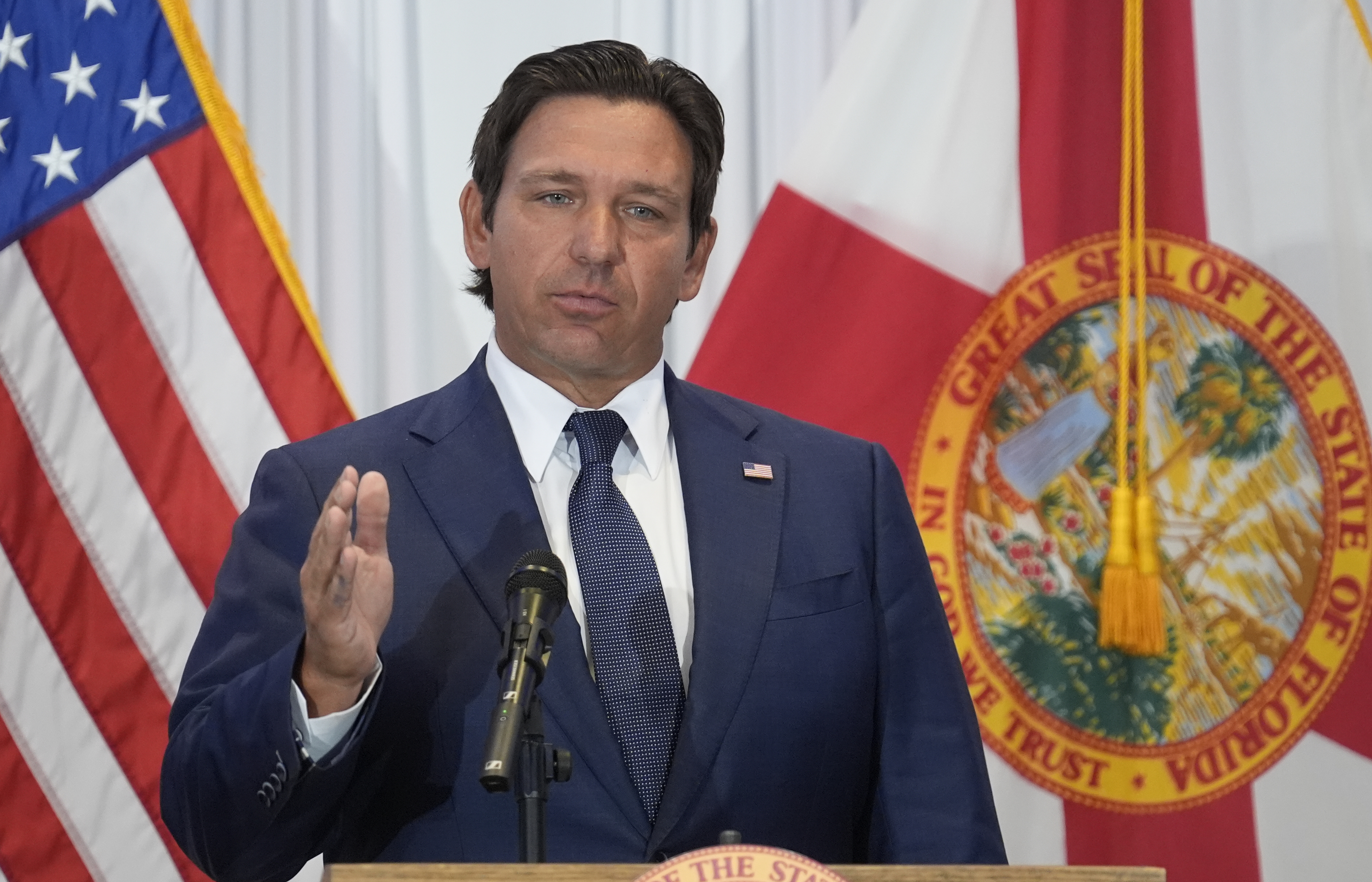


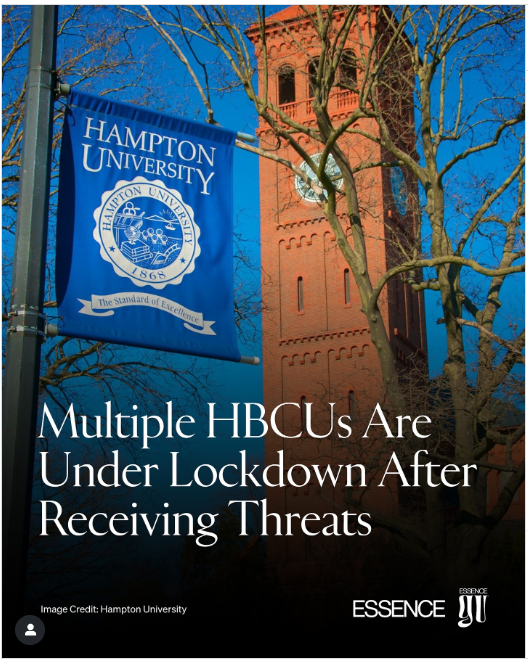
After Kirk’s death, at least six HBCUs were forced into lockdown after terrorist threats—innocent communities targeted in misplaced rage. Teachers in Florida were warned their licenses could be revoked for making critical comments about him.
Social media algorithms presented him as either a free-speech saint or the Anti-Christ, both exaggerations that distort reality.

This is the harder work: to hold complexity. Violence is wrong. But so is erasing truth. Death should be mourned, but within that mourning we must still reckon with the totality of a life.
A Call to Action
So where do we go from here? Who are we, as a people? Will we retreat into political camps where grief becomes a weapon and death a rallying cry? Or can we do something harder, something braver?

We must face uncomfortable truths. We must resist false narratives. We must hold complexity in one hand and accountability in the other.
Only then can we honor life. Only then can we move closer to justice.
Gary Mobley, Moreel Pics and Words

Words that challenge. Images that endure. Services that create. Discover essays, videos, photography, and creative solutions at Moreel Pics and Words.
 Moreel Pics+Words
Leave a comment