
Narrative Projects
Not Every Story Was Captured. Some Must Be Created.
Narrative projects move beyond preservation alone—bringing together photographs, words, history, and interpretation to create something new. The result may take the form of a book, a visual essay, a film, or another story-driven work shaped by memory and meaning.
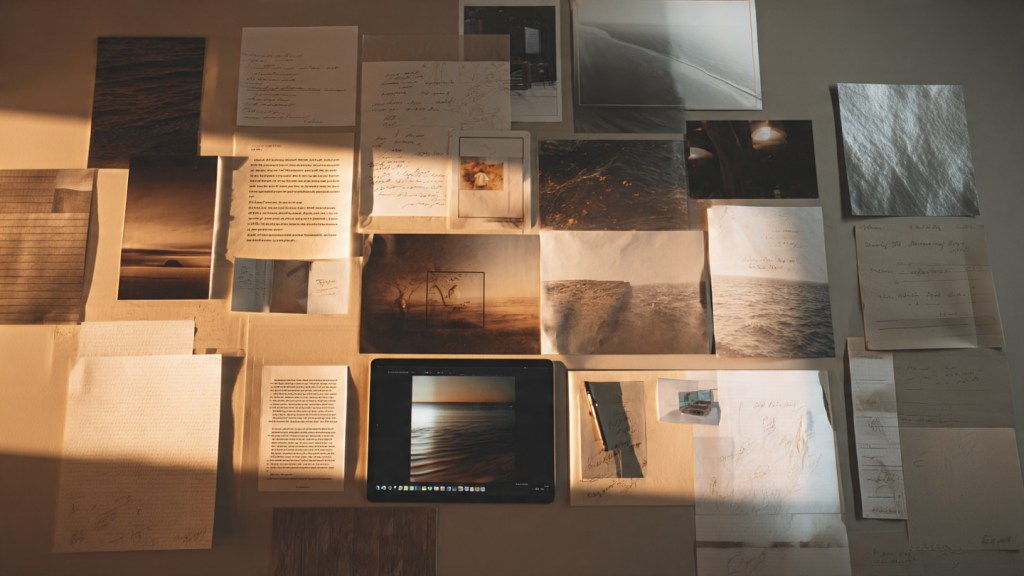
Beyond Preservation
Restoration preserves and clarifies what exists. Narrative work builds from it.
These projects move beyond the single image—bringing together photographs, words, memory, and interpretation to create something new. They are not only records of the past, but explorations of meaning, connection, and story.
The form follows the story. It may become a book, a visual essay, a film, or something more interpretive—each shaped by what the story requires.
What this means in practice
Some projects focus on documentation—organizing images, preserving history, and giving structure to what already exists. Others move into interpretation—connecting moments, adding voice, and creating something that was never fully captured.
Most fall somewhere in between.
Not every story was documented. Some must be shaped.
Ways to Shape a Story
Each project takes its own form—guided by story, intention, and meaning.
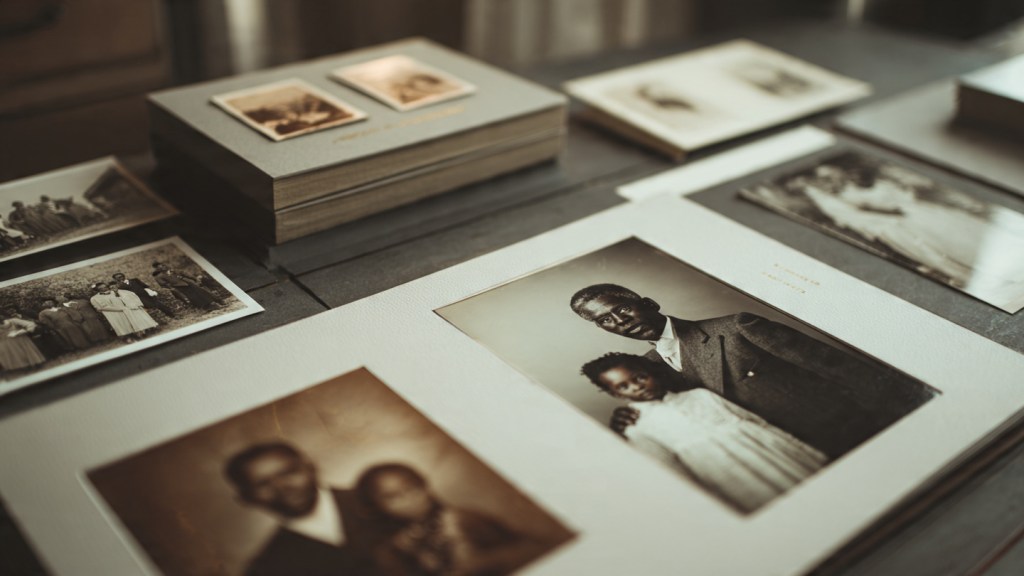
Documentation
Grounded in preservation and clarity, these projects organize and present images, histories, and lineage in a structured and meaningful way.
- curated photobooks
- family archives
- image sequencing and organization
- historical context and timeline development
Most projects move across these approaches—shaped by the story itself.
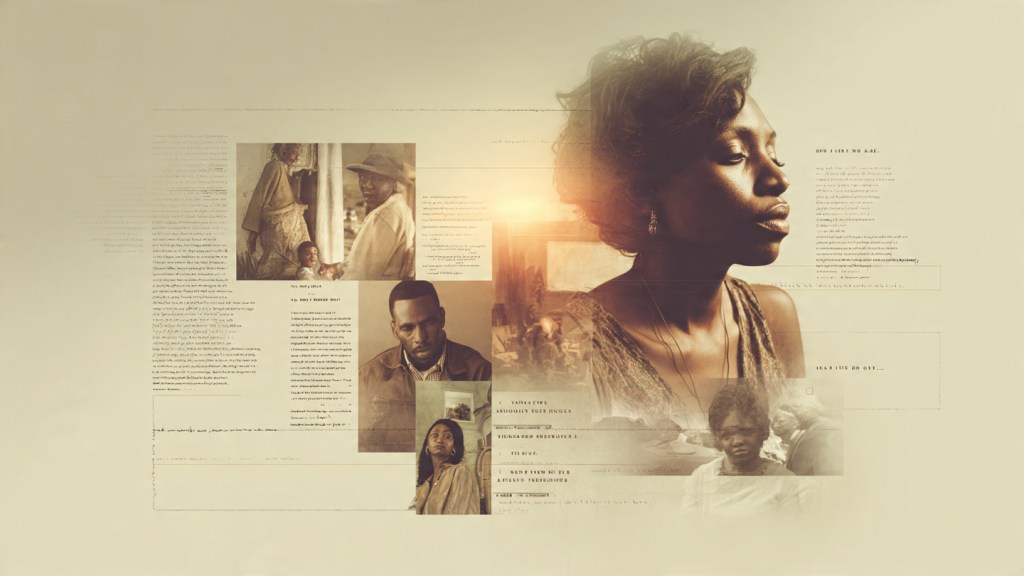
Narrative
These projects move beyond organization into storytelling—bringing together images, words, and sequence to shape a cohesive and personal story.
- visual essays
- image + text storytelling
- reflective or thematic projects
- curated narrative sequences
Most projects move across these approaches—shaped by the story itself.
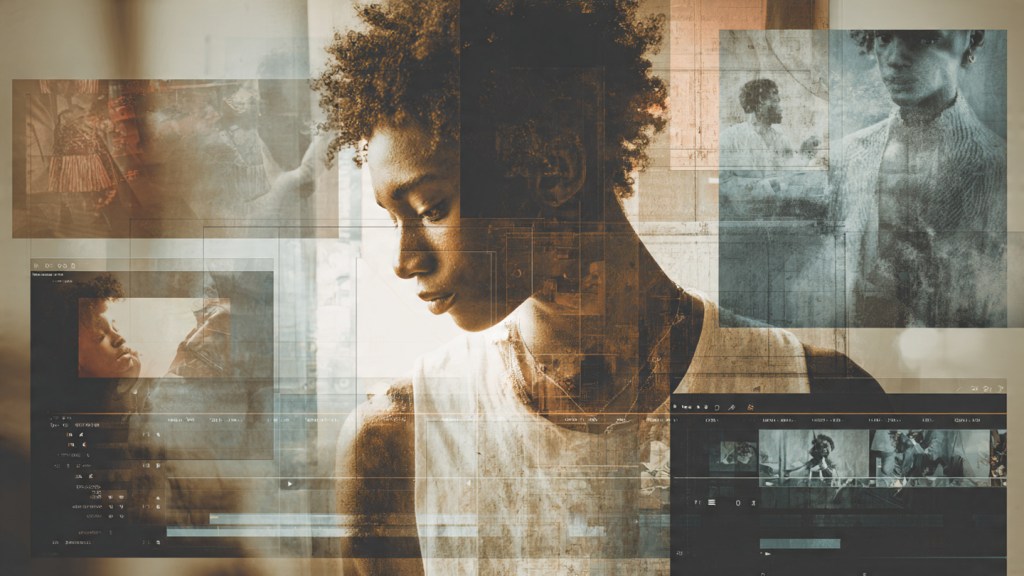
Interpretation
Here, the work becomes more expansive—connecting moments across time, introducing creative elements, and shaping meaning through artistic and narrative exploration.
- short films or video narratives
- composite or cross-generational imagery
- conceptual storytelling
- mixed media and artistic interpretation
Most projects move across these approaches—shaped by the story itself.
The Process
Each project begins with what you have—and grows into what it can become.
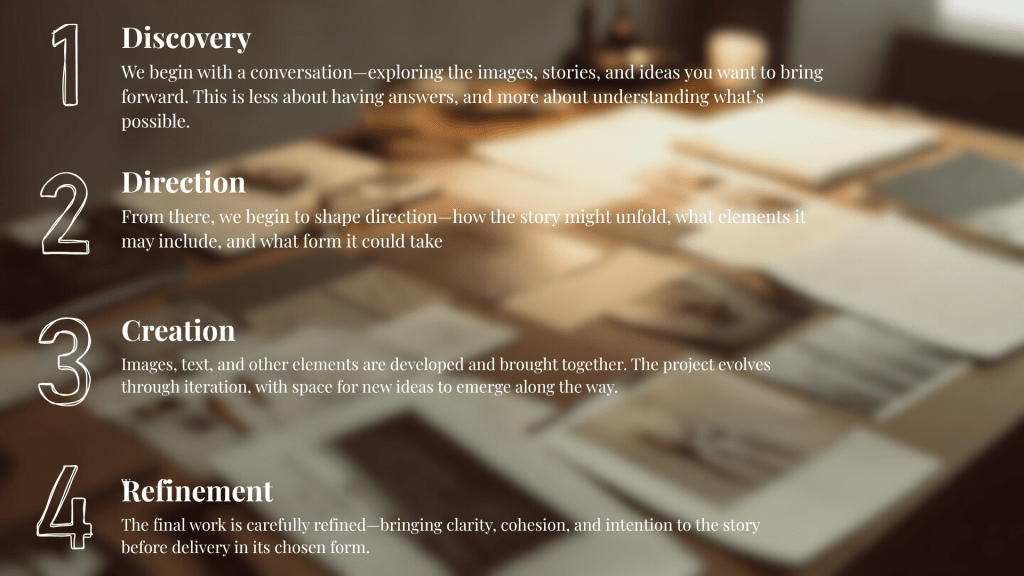
You don’t need to have a clear vision to begin—only a starting point.
Selected Projects
Examples of how stories take shape across image, text, and time
Start a Narrative Project
Not every story begins fully formed.
If you have images, fragments, or even just a sense of something you want to explore, that’s enough to begin. We’ll shape the direction together—guided by what the story holds and what it can become.
You don’t need a complete vision—only a starting point.
 Moreel Pics+Words